
Where the Shadows Fell Long
How Two Orphans of Rugby’s Heartlands Were Left Behind
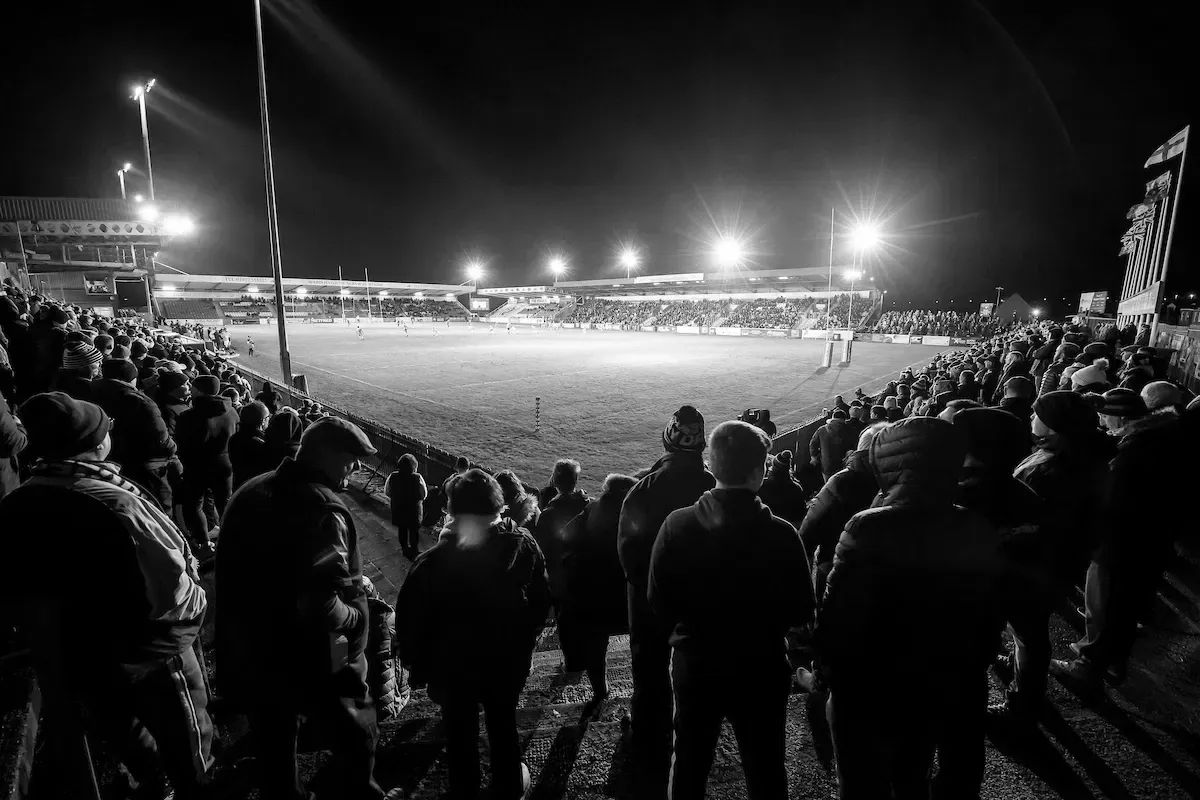


"What they suffered - dislocation, disconnection, dispossession, the quiet violence of neglect - is now blueprint for a much wider societal drift bigger than sport."
Matt Hennessey

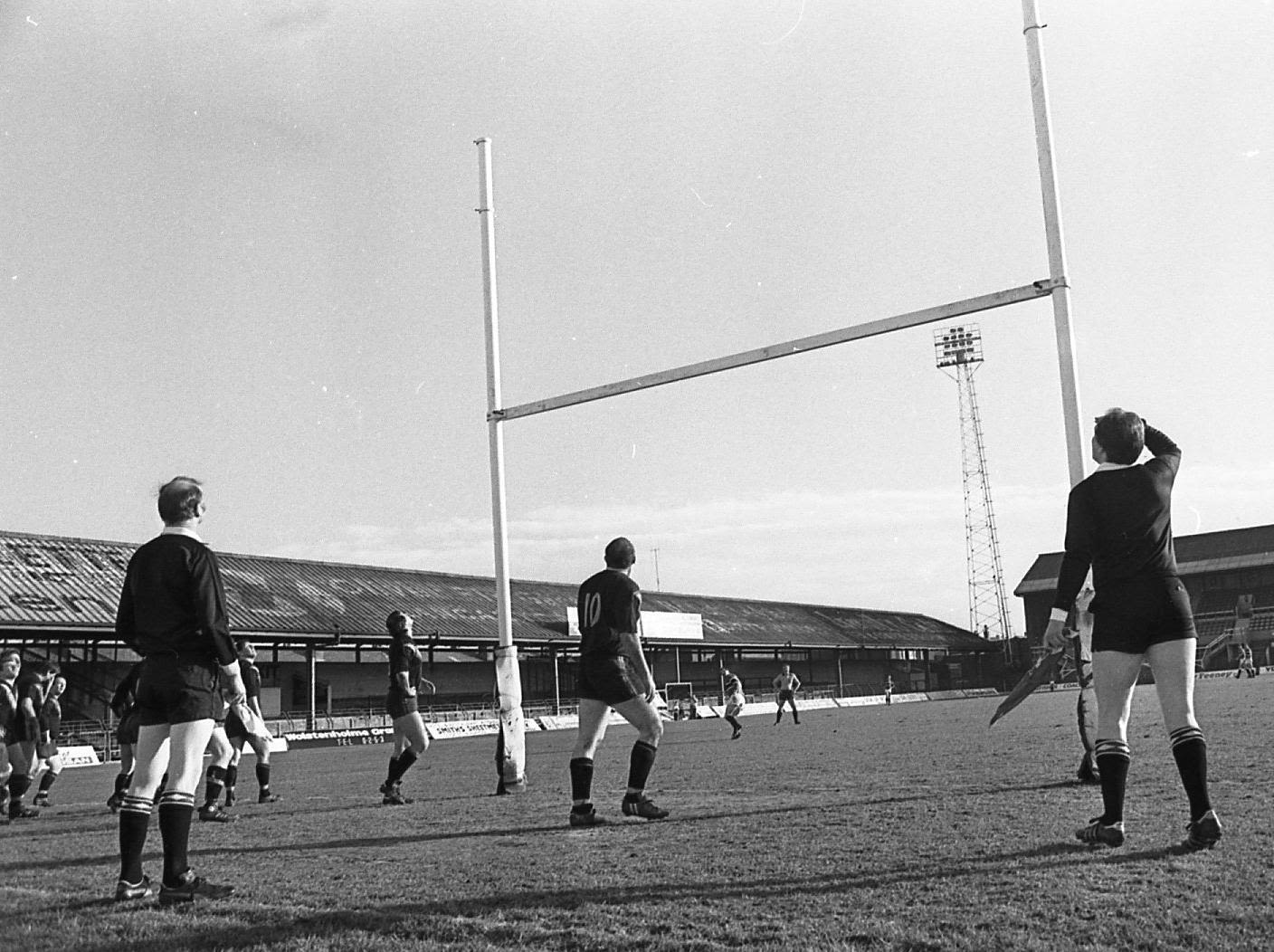
In places such as Neath and Featherstone, rugby wasn’t adopted; it was absorbed. Like dialect, like damp or the name sewn, half-crooked, into your school coat by hands that didn’t have time for perfection.
It didn’t arrive as choice but as inheritance. Through the fog and smoke, through fathers and the frostbitten ritual of a Saturday shift yielding to a sideline roar. League in the North. Union in the Welsh Valleys. Two tongues. One music.
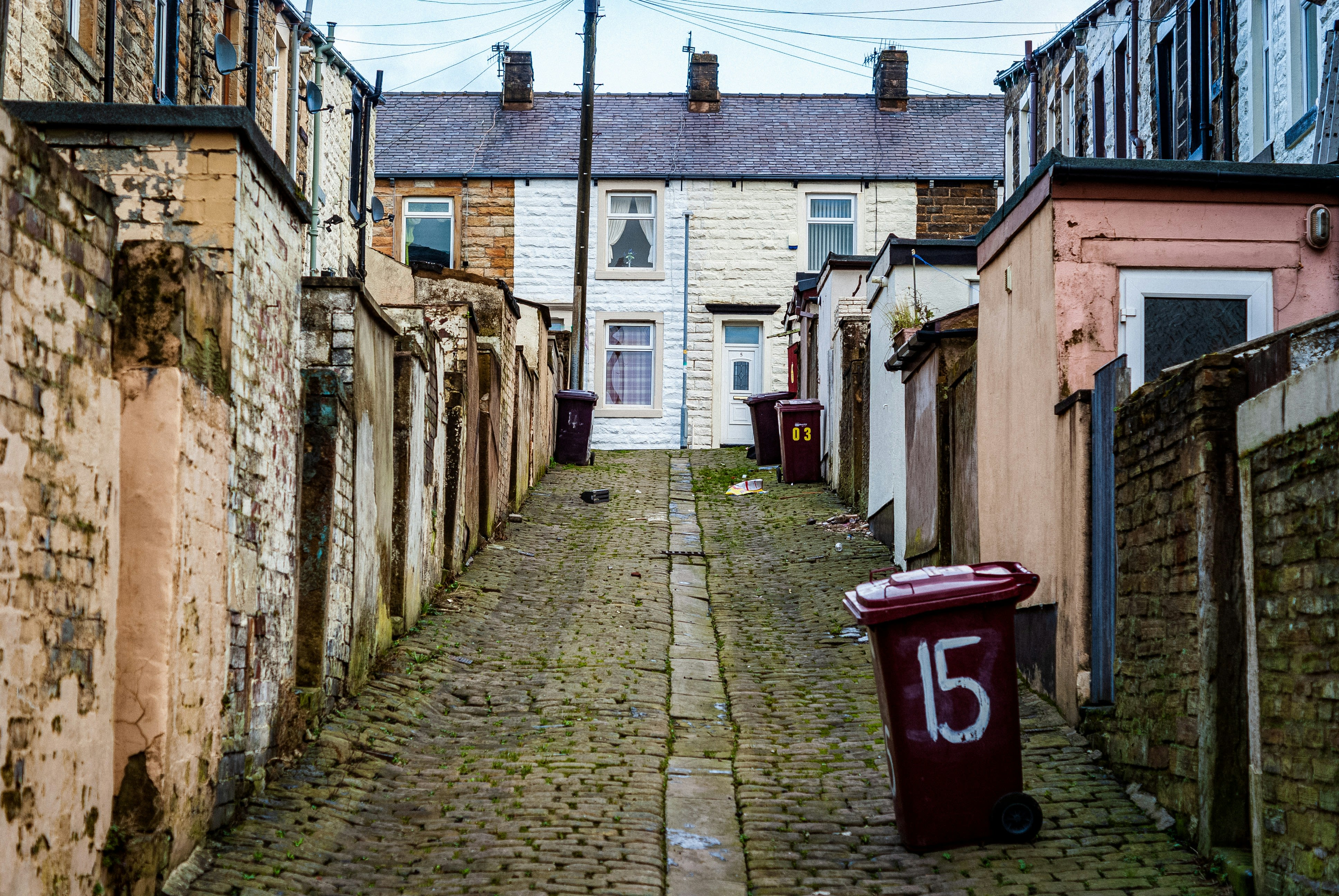
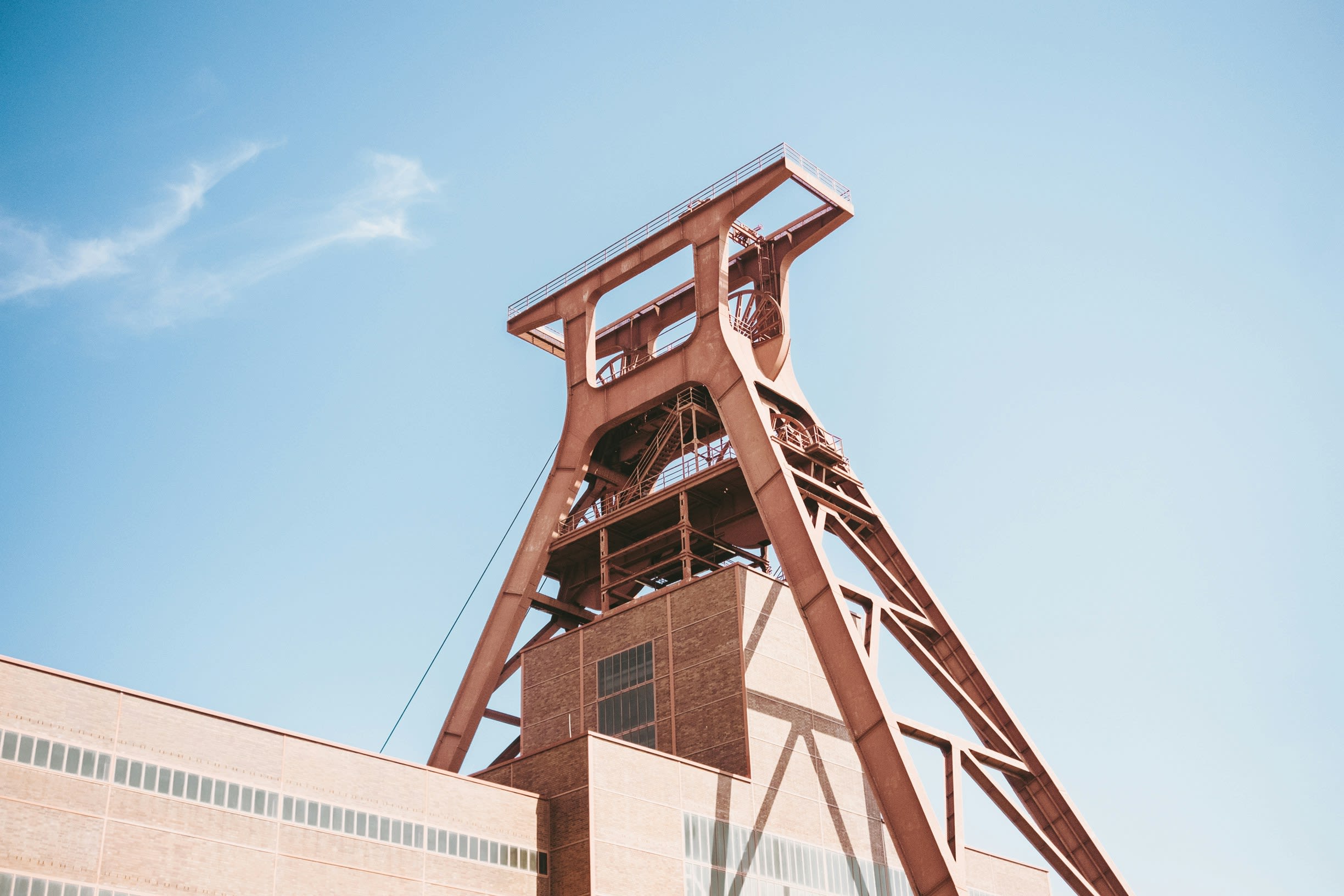
These towns that were forged in shiftwork, scarred by sacrifice, bore the weight of coal, the clang of steel on the edge of docks. These were towns hewn from shiftwork and sacrifice; Danger underfoot. Hope on the touchline. Rugby wasn’t respite. It was resistance and the anthem of those for whom endurance itself became a rebellious identity. This wasn’t hobby. It wasn’t even habit - it was habitat.

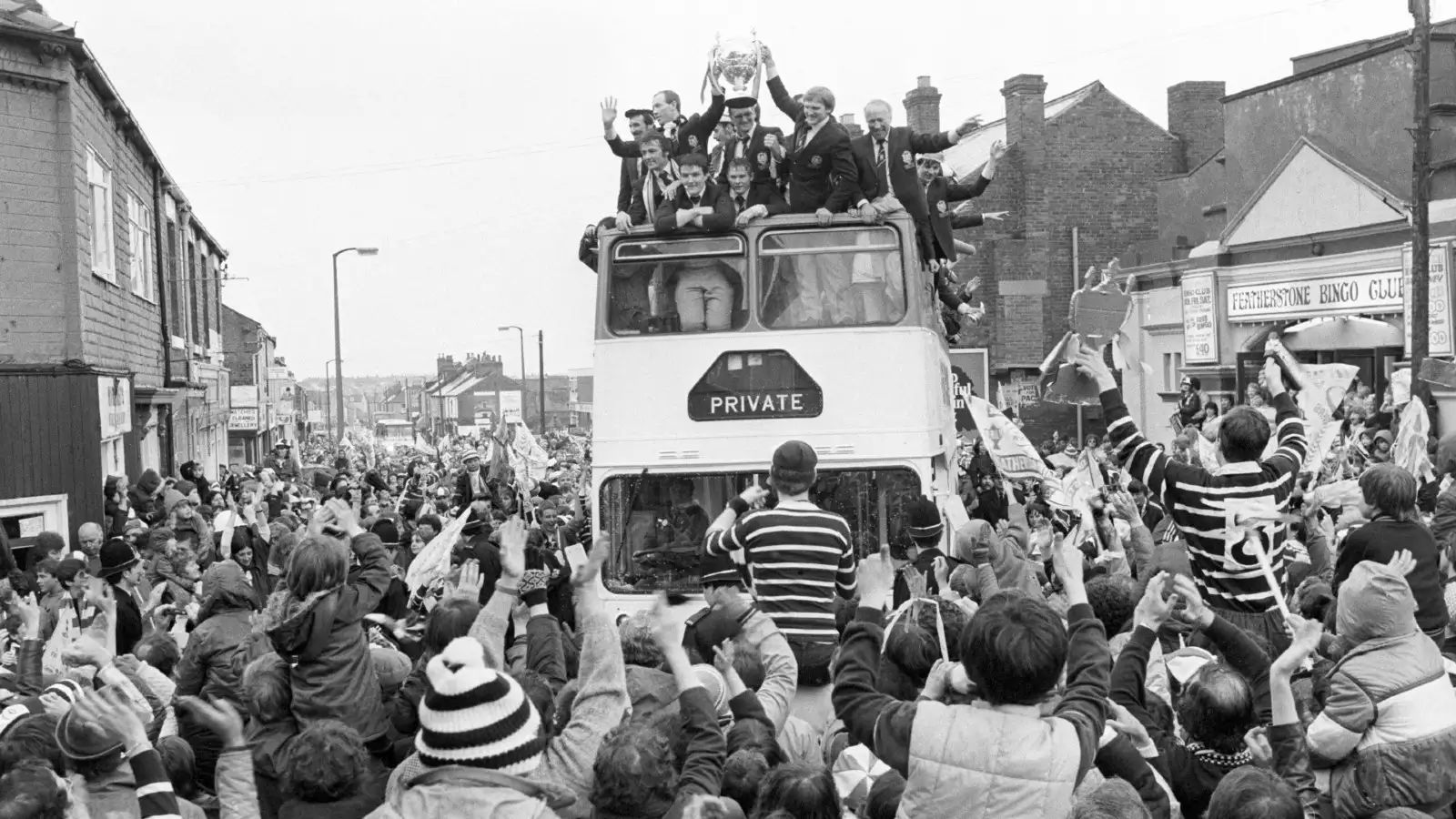
Featherstone Rovers celebrating a Challenge Cup win
Featherstone Rovers celebrating a Challenge Cup win
And then came the scythe.
Thatcher didn’t just close pits. She closed futures. Factories fell. Union halls grew quiet. The rhythms of collective life in these parts of the world - chapel, club/pub, shift, match - were scattered like ash. And in the wreckage of identity, only rugby remained. Bloodied but upright. Muddied but unbowed. A last refuge in a country unmaking itself.
But even that was asked to forget its face.
Before the game was marketable, it was mutual. Clubs were owned, if not officially, by the miners, machinists, and brewers who funded the strips and fed the teams. The clicking of the turnstile kept the lights on. The loyalty kept the bar full. When that ecosystem collapsed -when industry became abstract and money became mobile - sport followed suit.
Football, the global exception to the local rule, ballooned into pageantry, priced in streaming rights and adorned in sponsorship gloss. The Premier League swelled with cash and cadence, and the sport it cuckooed became less a shared ritual and more a market offering. Rights inflated, clubs rebranded, and everything in this neoliberal race to the bottom - even loyalty - went up for auction. Rugby, fearful of being left behind, followed suit. Or tried to. Innovation became an alias for erasure.
As the old scaffolding of rugby faltered, governance turned to image renovation. In rugby union in Wales and rugby league in the North of England were once cultural inheritance - rituals passed down like hymns or tools - then modern governance treated those inheritances as liabilities, not legacies. As Britain’s post-industrial spine weakened, so too did the patience of its sporting institutions for communities no longer seen as commercially “strategic.”
In Wales, the WRU redrew maps with corporate crayons. The logic was economic - to compete in Europe and grow professional success, but what it sacrificed was generational loyalty. Supporters from places like Newport or Neath, whose clubs were once among the nation’s most storied, were told to transfer their affections to synthetic regions like the Ospreys or Dragons. It wasn’t just a logistical shift. It was an identity shock.

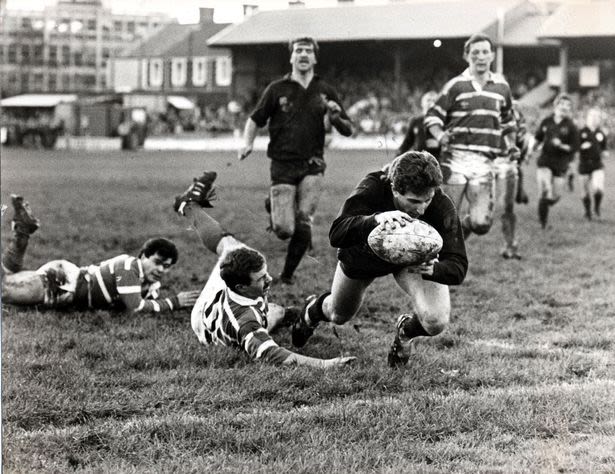
Credit: Neath RFC
Credit: Neath RFC
Eventually, out too went Bridgend, Pontypridd, Ebbw Vale - places that smelt of steam and sermon. In came the regional Frankensteins - franchises with no gravestones behind them, no grandparents buried under the grass. Fictional names, amputated roots.
In rugby league, the sell-off came swifter. The RFL pursued a similarly disruptive course. Under the stewardship of Maurice Lindsay in the mid-1990s, rugby league flirted with a radical vision of mergers - asking historic clubs to dissolve into new 'super entities' to better suit commercial imperatives. This plan largely failed under fierce supporter resistance, but what followed was hardly less convulsive: a shift to summer rugby and the birth of Super League, which tilted resources and attention towards a narrow group of elite clubs. Murdoch’s millions ushered winter to become summer.
Identity became branding. Featherstone, Oldham, Workington — all told to modernise or merge. Centuries of rivalry binned for buzzwords. The Rhinos thrived. The Blue Sox fizzled. Meaning melted into marketing. Geography, rebranded as strategy, became expendable. Clubs built on Shoreditch moodboards, not memories.
They called it progress but in the terraces, it felt like trespass. Because not one strategist, not one spreadsheet, stopped to ask: what holds this game together? Not what it can sell. What it means. Not what it earns. What it grounds.
That question was exiled and so ever since. And so were the towns that carried the answer.
The Gnoll doesn’t trend. Post Office Road won’t fill a feed. But these places once roared loud enough to lift roofs at the Arms Park or Wembley. Now, they don’t even make the brochure. They are rugby’s footnotes - margin notes in its monetised story.
And so, the deeper ache sets in: Neath and Featherstone were not aberrations. But, were they omens to a much wider malaise?

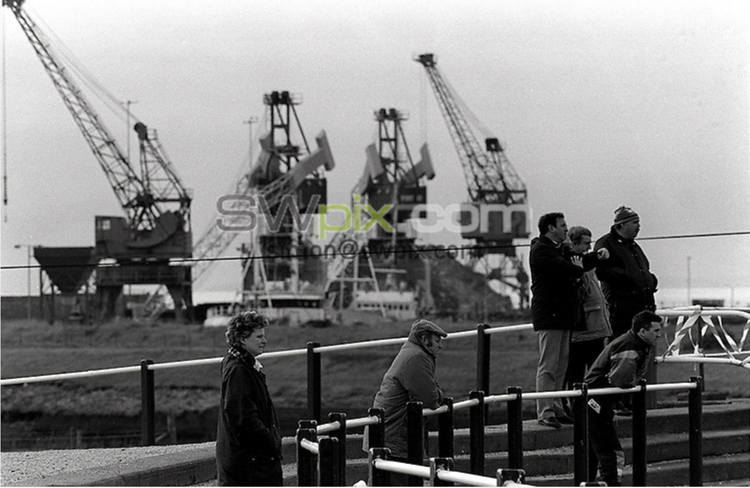
Credit: Michael Steele/SWpix.Workington. Rugby League. From the book 'When Push Comes to Shove'..
Credit: Michael Steele/SWpix.Workington. Rugby League. From the book 'When Push Comes to Shove'..
In Thatcher’s aftermath, they saw first what the rest now know - that when civic institutions fall, they don’t make noise. They just stop showing up. What replaced them wasn’t built from below but was dictated by above: sleek corporate sponsors, digital firms, content strategies. None spoke the dialect of the locality they inhabited, and none bothered to stay around when the metrics dipped.
What they suffered - dislocation, disconnection, dispossession, the quiet violence of neglect - is now blueprint for a much wider societal drift bigger than sport. Post-industrial drift has spread its frost across the land. What once felt like mourning now feels like warning. They were the canaries in a community’s coalmine. And the air is getting thinner.
Rugby was a civic ritual. A glue. When it was stripped down to spectacle, rebranded into irrelevance, something far bigger than sport was lost. The pitch wasn’t just a place to watch. It was where you buried your week, and remembered who you were.
And now? We’re a nation of places with nowhere to go.
The library’s gone. The pub’s a chain. The union’s been muted. The high street is a mausoleum for forgotten brands. And sport - the last common ground - is fenced off behind strategic rewrites, subscription fees and brand metrics. What places like Neath and Featherstone endured in a sporting and societal sense is not the exception. It’s expectation.
Communities feel unmoored. Power has become abstract. Connection has turned into nostalgia. And when people can no longer locate themselves in the story, they stop reading it. Or worse, feel embittered by it.


Credit: Neath RFC
Credit: Neath RFC
And still, nobody listens.
So where does that leave us?
In England, this blog has already highlighted the folly of how the RFU slices grassroots outside its Twickenham ivory tower with bureaucratic indifference, levelling up only in language, not care.
In Wales, yet another region may soon fall - not as tragedy, but as nihilistic self-harm in the form of a ‘formal consultation period’ announced in July. In rugby league, IMG’s technocratic bright new future (or in the ever-shifting sands of rugby league’s power dynamic – Nigel Wood’s self-interest), will never have room for a Widnes or a Whitehaven any more. Too gritty. Too real. Or a Catalans or a Toulouse. Too much like hard work.
These places are not relics. They are relic-makers. Yet still, we edge them out.
But if there’s redemption - and there must be - it will come not from headquarters, but from habit. From muddy boots and tea-stained clubhouses. From people who turn up even when the game forgets their names.
And so, we must stop chasing concepts and we must water the grass beneath our boots. That isn’t nostalgia. It’s necessity.
Neath and Featherstone weren’t just victims of neglect. They were prophets of it. And they may yet be the first to remind the rest of us what sport is for. Because if these towns were the first to be forsaken, they might also be the first to remember what sport should be. Not a transaction. A covenant. Not elite product, but civic performance. Not gone - just dormant.
No one’s asking for rose-tinted replicas. These towns were flawed. The game wasn’t perfect. But it was theirs. And it worked. It gathered, it gave, it grieved, it grew. It brought people together who had no other reason to stay.
That’s the piece the market forgot to model.
If there’s a way back, it won’t come from media packs or rebrands. It’ll come from seeing sport again as infrastructure. As indispensable. As rooted. That means:
Not spectacle. Belonging.
Not outcomes. Meaning.
Not transaction. Memory.
Nigel Wood is back in the corridors of rugby league, whispering Bradford’s rebirth. And yes, despite its nefarious stench that lingers from the motivations for their return, let it rise. Let the Bulls roar again. But not at the price of the Catalans. Or Toulouse. Or even Lézignan. This isn’t a draft pick. It’s a patchwork. It’s history layered, not replaced. The danger isn’t backing Bradford, it’s forgetting that Toulouse bleeds the same.
Let the WRU find balance - but not by cutting away its past. Rugby can evolve. But only if it remembers the soul that evolution depends on is the terraces of South Wales, the stone stands of Yorkshire, the sloped pitches of Lancashire and the plains of Languedoc. These are not excess baggage. They are the engine.


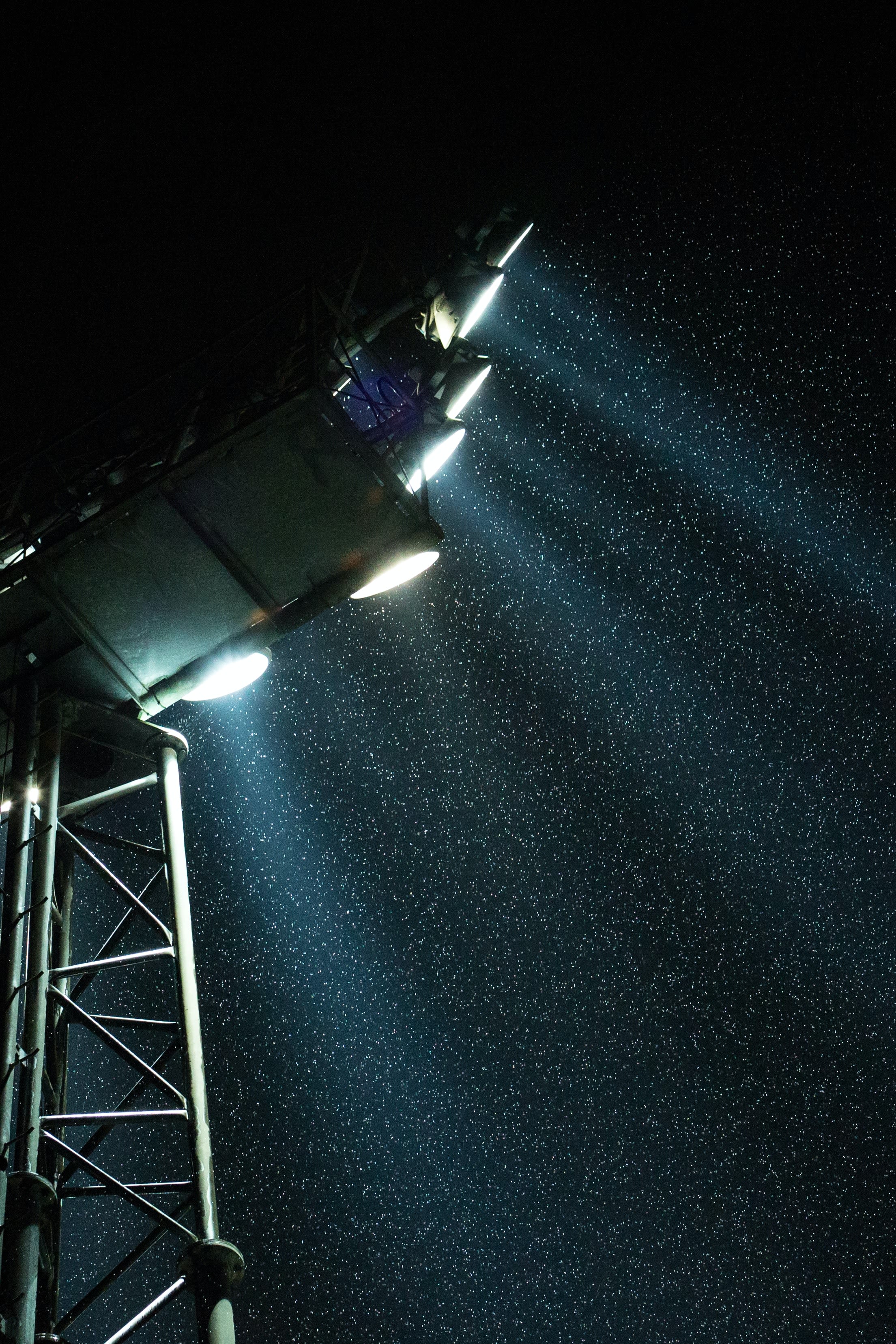
Sport, done properly, isn’t content. It isn’t streamed. It’s stood in. It’s a covenant. A compact between club and crowd, memory and meaning. A promise: this still belongs to you. And if that promise can be kept - not in head office but on cold, muddy pitches - then maybe, just maybe, those old floodlights still have a future to shine on.
And if that feels old-fashioned, unfashionable, uncommercial - remember this: It was from those same terraces that unions rose. That leagues rebelled. That a class found voice and valour. That people learned to stand together. That spirit isn’t finished. It’s waiting for the sports that claim to represent them to catch up and remember who they are.



 Built with Shorthand